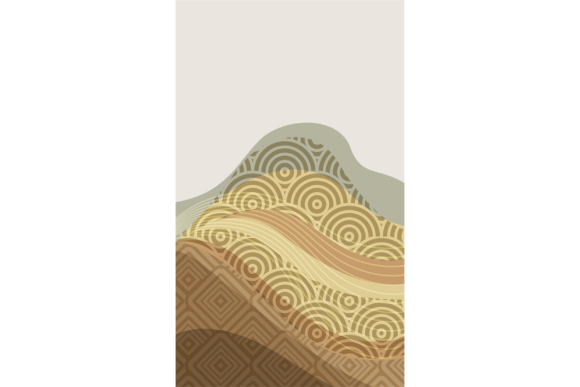
Decorative Pattern Landscape: Asian Art for Modern Design
There’s a particular quality to certain design assets that stops you mid-scroll. It’s not just about being loud or complex; it’s about a quiet, resonant harmony that feels both ancient and immediate. This is the essence of the Decorative Pattern Landscape. Asian Art style. It’s a visual language that translates the philosophy of balance, nature, and meticulous detail into a versatile tool for contemporary creators. Think less about a single font and more about a complete aesthetic system—a collection of motifs, textures, and compositional principles that can elevate a project from merely functional to truly evocative.
At its core, this style is characterized by flowing, organic lines that mimic natural elements like water, wind, and foliage. You’ll find intricate, repetitive patterns—perhaps inspired by traditional textile weaving, woodblock prints, or ceramic glazes—set against serene, often muted color palettes. The personality is one of understated elegance and meditative focus. It doesn’t shout for attention; it invites contemplation. This makes it a powerful display font choice or a foundational design element for projects aiming for sophistication, calm, and a touch of timeless artistry. It’s a premium font in spirit, offering depth beyond its immediate visual appeal.
Where This Aesthetic Truly Shines
The real-world applications for a Decorative Pattern Landscape. Asian Art vector illustration are surprisingly broad, extending far beyond niche projects. Its strength lies in its ability to infuse a sense of curated culture and mindful design into diverse contexts.
For brand identity and logo design, it’s ideal for businesses in wellness, artisanal crafts, high-end hospitality, or boutique consulting. A yoga studio’s logo incorporating these subtle patterns communicates serenity and authenticity. A premium tea brand’s packaging becomes an experience in itself, with the pattern telling a story of origin and care. In editorial design, these assets can transform a magazine spread about travel, architecture, or mindfulness, providing a visual rhythm that complements long-form content without overwhelming it.
Digital creators find immense value here. As a web design element, a subtle, repeating background pattern can add texture and depth to a minimalist layout. For social media graphics, a single, beautifully framed motif can serve as a powerful hero image or a cohesive background for quote cards, instantly establishing a recognizable and calming feed aesthetic. The included EPS, JPG, SVG formats make this creative font and pattern set adaptable for everything from large-format printing to crisp digital screens.
The Subtle Art of Influence
Choosing this style isn’t just a decorative decision; it’s a strategic one that directly impacts how your audience perceives and interacts with your work. The right typeface and pattern system does more than look good—it guides the eye and shapes opinion.
First, it masters visual hierarchy. Used as a headline or accent, its intricate detail naturally draws the eye, establishing a clear focal point. Paired with a clean sans serif font for body text, it creates a perfect balance between ornament and readability. This contrast is key to professional modern typography. The pattern itself can frame content, creating natural borders and sections that organize information intuitively.
Second, it profoundly influences brand perception. This aesthetic communicates consistency and professionalism. It suggests a brand that values heritage, craftsmanship, and attention to detail—qualities that build immediate trust. For a small business owner or entrepreneur, this can be a differentiator. It tells a story of quality and thoughtfulness, enhancing brand recognition in a crowded marketplace. The audience engagement shifts from passive viewing to an appreciation of the design’s intention and beauty.
Making It Work: Practical Guidance
Integrating such a distinct style requires a thoughtful approach. Here’s how to ensure it works for your specific project.
Evaluate Project Fit First. Ask: Does my project’s core message align with themes of nature, tradition, elegance, or mindfulness? If you’re designing for a tech startup focused on disruptive innovation, this might create a thematic mismatch. But for a boutique hotel, a ceramic artist’s portfolio, or a meditation app, it’s a perfect match.
Master the Font Pairing. The ornate nature of a Decorative Pattern Landscape. Asian Art style demands a simple partner. A versatile serif font like a transitional or modern serif can add a touch of classic authority. More commonly, a geometric or humanist sans serif font provides a clean, contemporary counterpoint that ensures the overall design remains legible and uncluttered. Test pairings extensively; the goal is harmony, not competition.
Leverage the Included Styles. A quality commercial font or asset pack often includes variations—perhaps different weights, ornamental borders, or standalone motifs. Use these to create depth. Use a full pattern for a background, a single motif as an icon, and the clean font style for your main body copy. This creates a cohesive system from one design asset.
Never Compromise on Readability. This is non-negotiable. While the pattern can be dense, ensure any text placed over or near it has sufficient contrast and spacing. Often, using the pattern as a non-text background or within contained areas like headers and sidebars is more effective than laying text directly over a busy field.
Finally, understand the licensing. For any commercial font or vector illustration intended for client work, merchandise, or widespread distribution, verify the license permits such use. Reputable sources provide clear terms, ensuring your beautiful design is also legally sound.
Ultimately, the Decorative Pattern Landscape. Asian Art style is more than a trend. It’s a bridge between the timeless and the contemporary, offering designers, marketers, and creators a rich visual vocabulary to build brands and projects that resonate with depth and authenticity. Its value lies not in fleeting novelty, but in its ability to tell a story through every line and curve.